
从渔民到企业家:乡村养殖业如何推动地方振兴?
From Fishermen to Entrepreneurs: How Rural Aquaculture Is Revitalizing Local Economies
从渔民到企业家:乡村养殖业如何推动地方振兴?
From Fishermen to Entrepreneurs: How Rural Aquaculture Is Revitalizing Local Economies
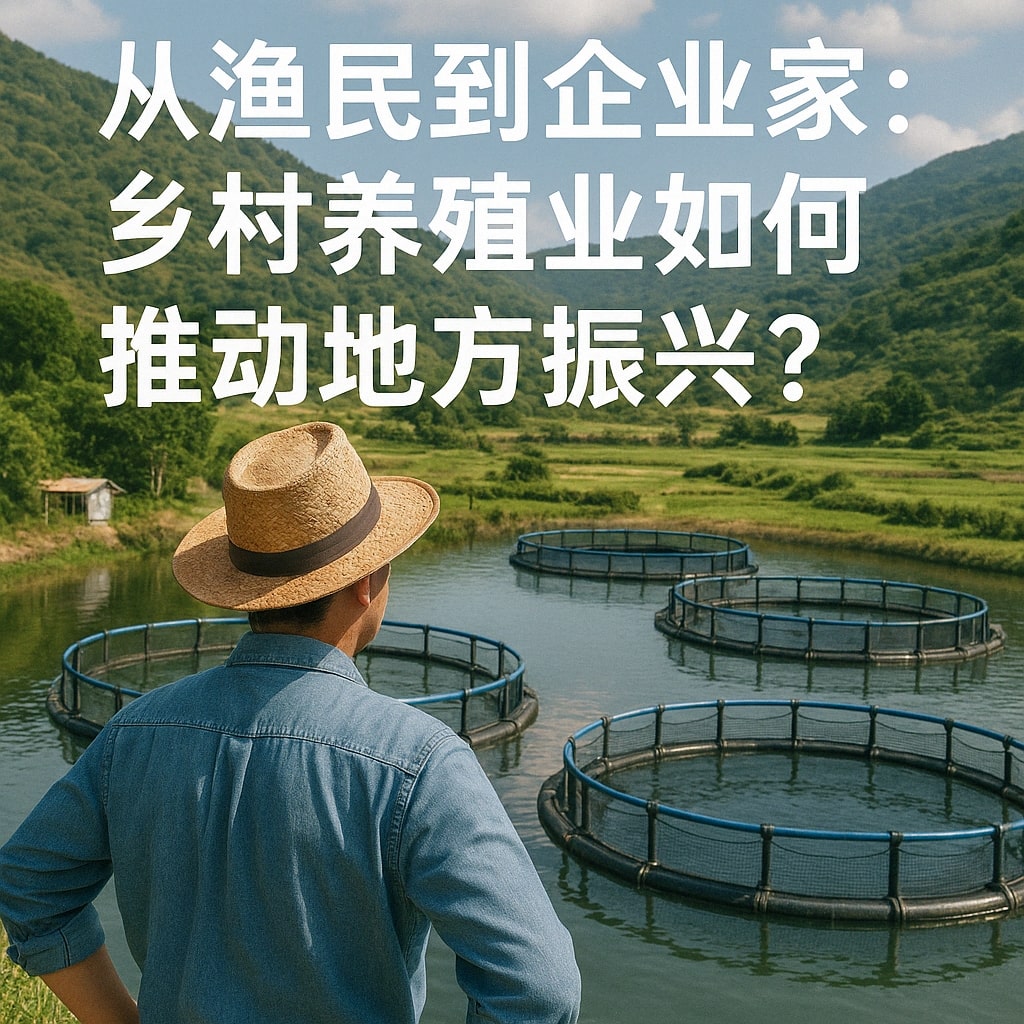
在资源紧张与转型升级的双重驱动下,越来越多马来西亚渔民正摆脱“靠天吃饭”的旧模式,转型为现代养殖经营者。这一变革不仅改变了个人命运,也悄然推动着乡村经济的重构与振兴。
Driven by resource constraints and the need for transformation, more Malaysian fishermen are shifting away from the traditional “live by the sea” model and becoming modern aquaculture entrepreneurs. This transformation is not only changing individual lives but also revitalizing rural economies.
渔民转型背后:政府政策与技能培训双推动
Support Behind the Shift: Government Policies and Skills Training
农业与粮食安全部推出的转型补贴计划,为渔民提供了设备购置与初期营运资金支持。
The Ministry of Agriculture and Food Security has introduced subsidy programs to help fishermen purchase equipment and cover startup costs.
各州设立的培训中心定期开设养殖技术班,帮助渔民掌握从苗种选择、水质控制到疾病防治的实操能力。
Regional training centers regularly offer aquaculture courses to help fishermen develop practical skills in seed selection, water quality control, and disease prevention.
成本稳定、收益可控,吸引年轻人返乡创业
Stable Costs and Predictable Returns Attract Young Entrepreneurs
与传统海捕相比,养殖业风险低、收益更可控,正在吸引越来越多年轻人返乡创业。
Compared to traditional fishing, aquaculture offers lower risks and more predictable profits, attracting many young people to return home and start businesses.
水产养殖还带动了冷链运输、加工包装等配套产业,形成“渔业+服务”新经济模式。
Aquaculture also supports the development of related industries such as cold chain logistics and seafood processing, creating a new “fisheries + services” economy.
产业融合新趋势:生态、休闲、教育三结合
Industry Integration: Combining Ecology, Tourism, and Education
一些养殖区正尝试“养殖+旅游”的复合型经营模式,推出亲子体验、海洋课堂等项目,提升附加价值。
Some aquaculture areas are embracing integrated models combining farming with tourism, offering family experiences, educational programs, and eco-tours to increase added value.
撰文:Sooi Keong 师强海产内容团队
来源:Sooi Keong 师强海产官方专栏
Written by the Sooi Keong Seafood Content Team
Published by Sooi Keong Official Brand Column